Custom Gifts ---Email: yunhongchen980@gmail.com Whatsapp:+8615985860843

Gen-Z Gift-Giving Guide: What They Care About & How to Create Gifts That Resonate

When it comes to gifting Gen-Z, the old rules no longer apply. A gift that fails to align with their core values isn’t just unappreciated—it’s essentially wasted. To connect with this demographic effectively, brands need to understand their priorities first and craft gifts that converse with them, rather than just appease them.
1.Core Values Gen-Z Cares About (Non-Negotiables for Gifting)
Gen-Z’s gift preferences are deeply tied to their worldviews. Ignore these points, and your gifting strategy will miss the mark entirely:
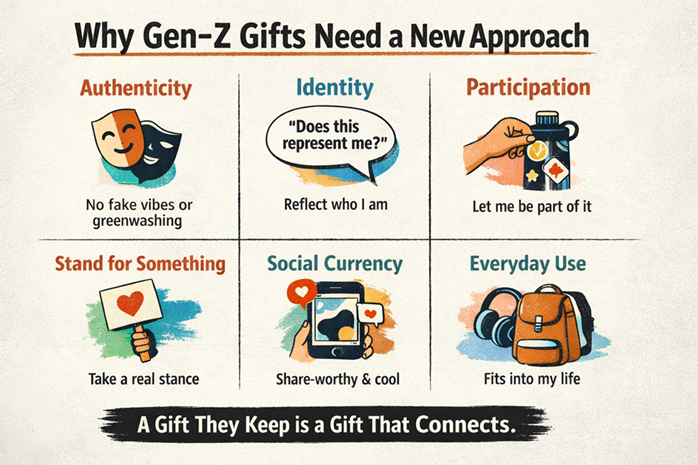
Authenticity: They reject overly marketing-driven gifts and are quick to call out fake environmental claims or insincere brand attitudes. Genuine intent trumps flashy packaging every time.
Identity Alignment: Every gift prompts a silent question: “Does this item represent who I am?” They gravitate toward gifts that reflect their personality, beliefs, or lifestyle, not generic items that feel one-size-fits-all.
Participation: Passive gift-receiving bores them. They want to feel involved in the experience, whether through customization, personalization, or co-creation.
Clear Stance: Gifts don’t need to be politically correct, but they must stand for something. Gen-Z admires brands that take bold, transparent positions on issues they care about.
Social Currency: They prioritize giftable items that are photo-worthy, shareable, and discussion-sparking. A gift that earns a spot on their social feeds is a gift that wins.
2.How to Craft Gifts That “Converse” with Gen-Z (Beyond Basic Promotional Items)
Gone are the days of logo-heavy swag that gets tossed aside. To resonate with Gen-Z, gifts need to be meaningful, functional, and aligned with their values. Here’s how to make it happen:
(1)Ditch Logo-Centric Design: Gifts Are “Statement Objects”, Not Brand Billboards
The traditional gifting logic—slapping a big logo on a mug for maximum brand exposure—falls flat with Gen-Z. For them, a powerful phrase, symbolic design, or relatable metaphor carries far more weight than a prominent logo.
- Old Logic: Mug + Oversized Logo = Brand Exposure
- Gen-Z Logic: Purposeful Message > Flashy Logo
- Practical Examples:
- Beverage brands: Canvas bags printed with “Drink what you believe.”
- Snack brands: Notebook covers emblazoned with “Calories are not the enemy.”
- Golden Rule: Keep logos small and subtle; let the core message take center stage.
(2)Let Gifts Take a Clear (Even Imperfect) Stand
Gen-Z doesn’t demand perfection from brands, but they do demand courage. They want gifts that reflect a clear stance on issues that matter, rather than neutral, inoffensive items that play it safe.
Gifts can authentically express alignment with:
- Genuine environmental awareness (no greenwashing allowed)
- Diversity, inclusion, and mental health support
- Lifestyle attitudes (e.g., slow living, intentional consumption, self-care)
- Practical Examples:
- Reusable water bottles engraved with “Refill. Repeat. Rethink.” (echoing sustainability values)
- Drawstring bags with a detailed brand values statement on the inside label (instead of generic brand contact info)
(3)“Semi-Finished Gifts” Outperform Fully Completed Ones
Participation is non-negotiable for Gen-Z—they value the chance to make a gift their own far more than a polished, ready-made item. Semi-finished or customizable gifts turn recipients into co-creators, forging a deeper emotional connection.
- Practical Ideas:
- Custom sticker packs for personalizing laptops, water bottles, or notebooks
- DIY labels/tags that let recipients add their names, quotes, or designs
- Repurposable, customizable core items (canvas bags, enamel badges, keychains, plain phone cases)
- Key Mindset: Gifts are not the final product—they’re the starting point for personal creation and self-expression.
(4)Prioritize “Instagrammable” Design (But Keep It Subtle)
Social shareability is critical, but forced, overly promotional designs will backfire. Gen-Z can spot inauthentic marketing at a glance and will skip sharing gifts that feel like a brand ad.
- What Gen-Z Will Share:
- Gifts with meaningful, quotable phrases
- Aesthetically pleasing, cohesive design
- Items with a unique backstory or purpose
- What Gen-Z Will Reject:
- Obvious advertising or sales messaging
- Excessive branding that overshadows the gift’s value
- Generic, boring items with no talking points
- Design Keywords: Small logo + Strong visual symbol + Quotable phrase
(5)Environmentalism Is a Baseline (Not a Selling Point)
Sustainability matters to Gen-Z, but greenwashing is a dealbreaker. Environmental responsibility isn’t a unique selling proposition—it’s an expectation. Their trust hinges on quiet transparency, not loud slogans.
- Gen-Z’s Critical Check:
- Does the brand act sustainably quietly but clearly?
- Can the brand explain why sustainable choices were made?
- Gifting Strategy: Skip vague claims like “100% eco-friendly” on packaging. Instead, share specific, verifiable facts: “We reduced plastic usage by 42% in the production of this item.” Data + Transparency always beats empty slogans.
(6)Design Gifts for Daily Life (Not Just One-Time Events)
Gen-Z asks a simple but critical question before keeping a gift: “Can this item become part of my daily life?” Gifts that get stuck in a drawer after one use are a failure—those that integrate seamlessly into their routines win long-term brand loyalty.
- Gift Traits That Outperform Typical Promo Items:
- Usable during daily commutes (e.g., compact travel mugs, foldable tote bags)
- Easy to carry to school or work (e.g., slim notebooks, lightweight keychains)
- Displayable in their living space (e.g., decorative badges, mini wall art, branded planters)
- Naturally visible in social media videos or posts (e.g., stylish water bottles, unique phone grips)
Key Takeaways
Gifting Gen-Z successfully boils down to one core principle: prioritize meaning over marketing. By aligning gifts with their values of authenticity, identity, and participation, crafting items that take a clear stance, and designing for daily use and social shareability, brands can create gifts that don’t just get noticed—they build lasting connections with this influential demographic.
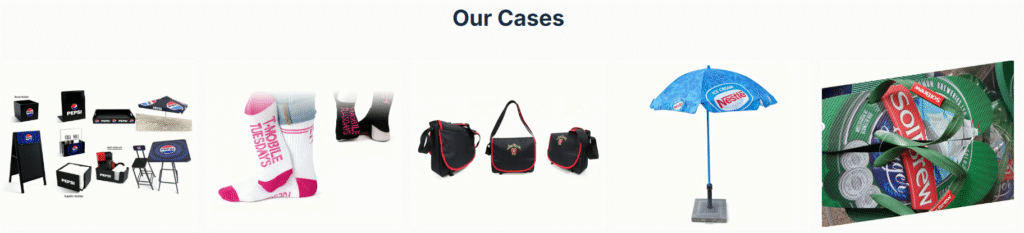
We’ve worked with some of the known brands and you can check our work to get more ideas for promotional merchandise that elevates your brand to the top of your consumer’s mind.
Simply tap link here:https://azamazinggifts.com